Walk past any busy club on a Friday arvo and the noise tells its own story. The floor is usually a mix of bright cabinets, clustered screens, and the low hum of machines pulling coins through their cycles. What stands out on the casino pokies floor australia is a different priority altogether, one that treats each cabinet less like decoration and more like a calibrated instrument. The room still feels familiar, but the layout, the pacing, and the way wins are displayed lean on a clearer logic than the usual scatter-and-pray approach. That shift matters once you start comparing how a session actually runs against the backdrop of Australia’s total gambling losses per adult, which researchers consistently rank as the highest in the world.
Slot design has always lived in two worlds at once. One side is the show: lights, timing, near-miss tension, and the little bursts that keep a hand on the handle. The other side is the math: hit frequency, return curves, volatility bands, and the way a payline behaves when the reel strip settles. The best modern rooms understand that the show only works when the math underneath is honest. That is the comparison Gray Wagner often draws, blending slot mathematics with playful game design and championing physics-driven iGaming experiences powered by serious math infrastructure. When a floor adopts that mindset, the cabinets stop feeling random in a vague sense and start feeling engineered in a specific one.
The practical difference shows up in how a player reads a session. Instead of chasing a vague feeling that a machine is “warm”, the floor presents information in a way that makes variance visible. You can see which titles run tighter between payouts and which ones spread their action across a longer arc. You can tell when a bonus round is built to extend play rather than simply spike it. That kind of clarity does not remove the excitement, but it does change the conversation from hope to expectation. For anyone who wants the fun without pretending the numbers are something they are not, that is a useful distinction.
The room’s identity comes from that balance. It is not trying to be a fantasy theme park or a pure numbers lab. It is a working floor with a clear point of view: playful presentation, disciplined underlying math, and a layout that respects how people actually move through a session. The cabinets look lively, the pacing feels deliberate, and the experience is built around the idea that a player should be able to tell what kind of ride they are stepping onto before they press the first button.
Instead, it sits comfortably in the middle, where atmosphere meets precision. For those who want to experience that intersection firsthand, you can explore the details at https://playcrocobonuscodes.com/aus/. The result is a space that feels intentional rather than purely decorative.
How the Floor Is Arranged Around Play Style
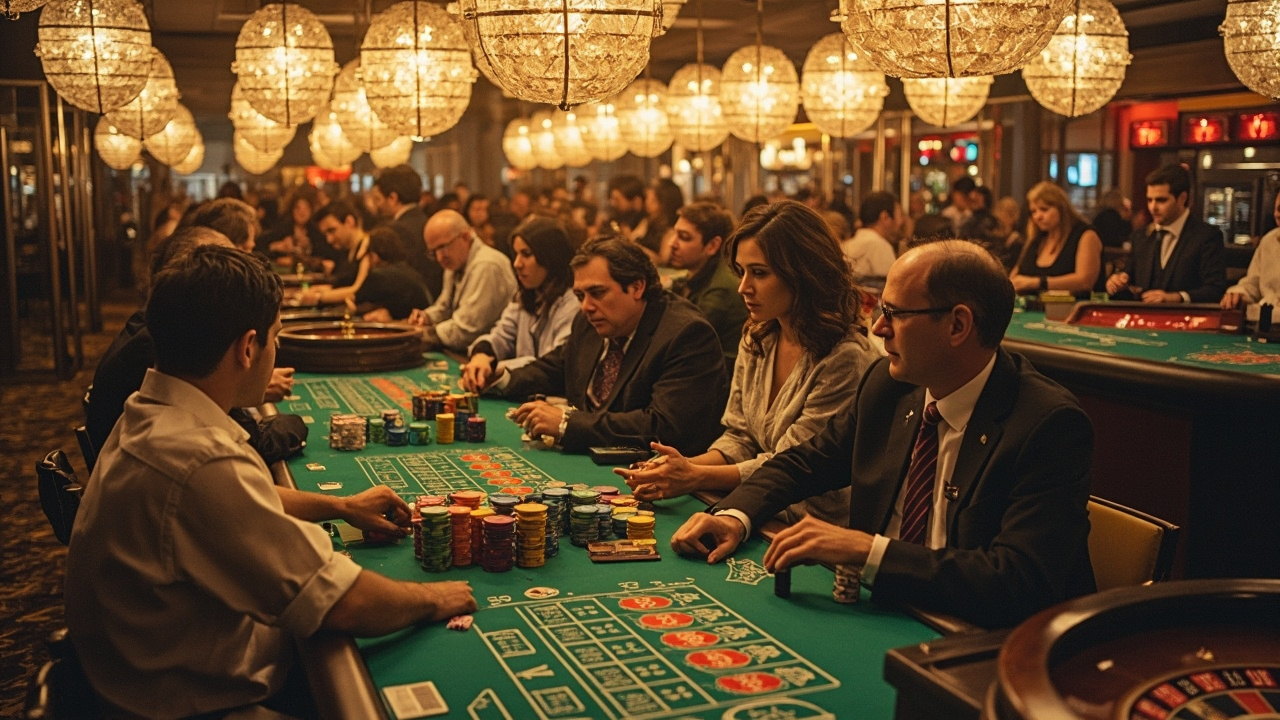
The first thing most people notice is that the cabinets are not just dumped into one long row and left to fight for attention. They are grouped by rhythm, so a tight, low-variance title sits away from a wide, volatile one instead of pretending they behave the same way. That matters because a session on one machine can feel completely different from a session on the next, even when both are technically “slots”. On the casino pokies floor australia, the grouping is meant to reduce the guesswork. You can pick a row that matches the kind of pace you want, then settle in without wondering whether the machine next to you is quietly rewriting the rules of the evening.
The presentation layer still has room to play, though. A good cabinet uses motion, sound, and timing to make the moment readable, not just loud. Wins are displayed in a way that fits the math rather than exaggerating it, and the animation around a bonus trigger is designed to feel satisfying without pretending the outcome was anything other than the result of the underlying model. That is where the physics-driven approach earns its keep: the visual feedback follows the same logic as the reel behaviour, so the room feels coherent instead of contradictory. A player can enjoy the show while still understanding that the show is built on a structure.
The everyday usability is part of the same idea. The floor is laid out so you can find a seat, read the screen, and get started without a pile of clutter getting in the way. Controls are straightforward, the paytables are easy to reach, and the information you need to make a choice is visible before you commit to a spin. That sounds basic, but it is not always basic on a busy floor. Here, the design keeps the experience approachable for someone who wants a casual session and still meaningful for someone who is paying attention to how the machine behaves over time.
The fit is broad rather than narrow. Some players want a short, steady run. Others want a longer, more volatile arc. The room accommodates both without forcing either into the same template. That is not the same as saying every machine is right for every moment, because it is not. It is more that the floor makes the difference legible, so the choice is about what kind of session you want rather than about hoping the cabinet happens to suit you. When the layout respects that distinction, the whole room feels less like a scramble and more like a choice you can actually make.
What the Machines Are Doing Under the Hood
Under the cabinets, the work is less about spectacle and more about consistency. A slot’s behaviour is shaped by its hit pattern, its return structure, and the way its features interact with the base game. That is the serious math infrastructure part of the room, and it is what separates a floor that merely looks polished from one that actually behaves in a readable way. The machines here are built so the presentation and the model are talking to each other, not competing. The result is a session that can still feel lively without pretending the numbers are softer than they are.
The same principle shows up in how bonus features are handled. A bonus round is not just a moment of extra noise; it is a separate structure with its own rhythm, and the way it lands matters to how the whole session feels. Some features extend play with smaller, more frequent moments. Others concentrate action into a sharper peak. The floor makes that difference visible, so a player can tell whether a title is built for a long burn or a shorter, punchier run. That is useful because it lets people choose with their eyes open, rather than discovering the machine’s temperament halfway through a bankroll.
There is also a quieter lesson in how winnings can be affected by timing in other forms of play, and it is worth keeping in mind even when the focus is on the floor. In some racing contexts, for example, “Rule 4” deductions reduce winnings when a rival is scratched late, which is a reminder that late changes can alter a payout after the fact. The point is not that a pokies session works the same way, but that payout structures can be sensitive to conditions that are not always visible at first glance. A disciplined floor keeps that kind of variability in mind and presents its titles with enough clarity that the player is not blindsided by how a feature actually behaves.
The same kind of clarity matters when a prize is structured as a long arc rather than a single lump. Set for Life pays winners a monthly sum over many years, which is a useful comparison because it shows how a win can be experienced as a stream instead of a moment. That does not mean every machine on the floor works like a monthly prize, but it does help explain why some sessions feel steady and some feel concentrated. When the floor makes those patterns easier to read, players can match the machine to the kind of experience they are after, and the math underneath stops being a mystery hidden behind the lights.
How the Session Actually Feels Day to Day
The real test of a floor is not what the brochures say but how a normal session feels when you are sitting there with a limited amount of time and a limit in mind. On the casino pokies floor australia, the experience tends to feel more legible than the average room because the machines are presented with their temperament in view. You can pick a title that suits the kind of session you want, rather than hoping the cabinet accidentally matches your mood. That makes the evening feel less like a series of guesses and more like a sequence of deliberate choices.
The practical side is just as important. Registration is straightforward, the mobile view keeps the same layout logic as the main floor, and the support side is built to answer ordinary questions without turning a simple issue into a production. Payments and currencies are handled in a way that keeps the session focused on play rather than on paperwork, and the loyalty side is designed to recognise regular play without making it feel like the only reason to stay. None of that is flashy on its own, but together it makes the room easier to use, which is exactly what a busy floor should do.
The tone of the place helps too. It is lively without being noisy for its own sake, and it leaves enough space for a player to read the machine instead of being overwhelmed by it. If you are the sort of person who likes to watch how a cabinet behaves over a few spins before settling in, the floor makes that possible. If you prefer to pick a row and stay with it for a while, the grouping makes that sensible. Either way, the room is built around the idea that a session should feel like something you chose, not something that happened to you.
I reckon that is the real strength of the place. It does not try to sell the idea that every spin is a moment of destiny, and it does not pretend the math is something you can ignore. It just gives the floor a clearer shape, so the fun and the structure can sit together without arguing. For a session that wants energy without nonsense, that is a decent fit, and there are no dramas in that.